
Autism Sensory Issues
Children with autism often experience the world in a uniquely vivid and intense way, which can sometimes feel overwhelming.
Everyday sensations, such as bright lights, sudden noises, specific textures, or even subtle background sounds, may become difficult to process, leading to sensory overload.
These reactions are part of the complex connection between autism and sensory issues, where the brain struggles to filter and organise sensory information. Gaining insight into how kids with sensory issues perceive the world is essential for helping them feel secure, understood, and more in control.
With a supportive environment, gentle guidance, and the right therapeutic strategies, children can gradually learn to manage their responses and connect more confidently with the world around them.
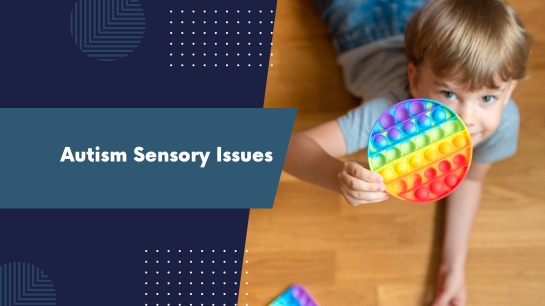
What are sensory issues in autism?
Sensory issues in autism refer to differences in how the brain interprets sights, sounds, touch, taste, smell, movement, and body awareness.
Many children on the autism spectrum experience these sensations either more intensely (hypersensitivity) or less intensely (hyposensitivity), making everyday situations feel uncomfortable or confusing.
Sensory issues examples include covering their ears to everyday sounds, avoiding certain clothing fabrics, seeking deep pressure hugs, being drawn to spinning objects, or closely watching patterns and movements.
These behaviours aren’t simple preferences; they reflect how the child’s sensory system perceives and responds to the world.
What do kids with sensory issues feel like?
For children with autism, everyday sensations such as bright lights, loud sounds, or certain textures can feel significantly more intense than they do for others.
These heightened experiences, known as sensory issues, can trigger sensory overload, a state where the brain struggles to handle too much input at once. This can lead to discomfort, anxiety, or a strong urge to withdraw from the situation.
Many autistic children use stimming, repetitive movements, or sounds, to manage these feelings and stay calm. When they’re unable to self-regulate or are asked to suppress stimming, it can lead to exhaustion or even burnout. Sensory overload in autism may make it hard to speak, focus, or process information.
Understanding what autism sensory issues feel like helps caregivers and teachers create calmer, more supportive spaces where children feel safe and better able to engage with the world.
What do kids with sensory issues look like?
Many autistic individuals may display specific behaviours when they’re dealing with sensory challenges. These can include:
- Increased movement, like jumping, spinning, or bumping into things
- More frequent stimming, such as hand flapping, repetitive sounds, or rocking
- Speaking faster and louder, or becoming suddenly nonverbal
- Covering their ears or eyes to block overwhelming input
- Trouble noticing internal cues such as hunger, pain, or needing the bathroom
- Strong preferences, either avoiding or insisting on certain foods or clothing
- Chewing on non-food objects for sensory relief
- Touching others often or engaging in rough play
- Difficulty communicating or responding as the brain focuses on managing sensory overload (shutdown)
- Intense emotions or an urgent need to get away from the situation (meltdown)
How to deal with sensory overload?
Children with autism can experience either hypersensitivity (overreacting) or hyposensitivity (underreacting) to sensory input, and each type benefits from tailored strategies to help them feel comfortable and balanced.
For children who are hypersensitive:
(Overwhelmed by lights, sounds, touch, or other sensory stimuli)
- Use dim or natural lighting instead of bright fluorescents.
- Offer sunglasses or visors to reduce glare from overhead lights.
- Provide earplugs or noise-cancelling headphones in noisy environments.
- Close doors or use partitions to limit visual and auditory distractions.
- Avoid strong perfumes or cleaning scents.
- Offer foods that consider texture or temperature preferences.
- Choose soft, tag-free clothing with loose waistbands.
- Always ask permission before touching.
For children who are hyposensitive:
(Seek extra stimulation or respond less to sensory input)
- Use visual supports or picture cues to enhance communication.
- Offer sensory tools such as fidget toys, chewable items, or textured objects.
- Include movement-based activities like swinging, rocking, or jumping.
- Introduce strong-flavored or textured foods, or cold drinks, to increase sensory awareness.
- Provide firm, reassuring touch when appropriate.
- Use weighted blankets or lap pads for deep pressure input.
- Encourage active play such as dancing, running, or ball games.
- Arrange safe, open spaces to reduce the risk of accidents during movement exploration.
Therapy to support children with autism with sensory issues
- Occupational Therapy (OT): A central approach for managing sensory overload in autism, OT uses sensory integration techniques to help children cope with overwhelming stimuli. Activities such as swinging, balancing, or exploring different textures train the brain to process sensory input more effectively.
- Speech therapy: When sensory sensitivities affect communication, speech therapy helps children express their needs, manage frustration, and build confidence in social interactions.
- Behavioral therapy: Helps children recognise and manage emotional responses linked to sensory challenges, while encouraging positive behaviours and practical strategies for coping with overwhelming situations.
- Feeding therapy: Supports children with sensory-based food aversions or restricted diets. Therapists gradually introduce new textures, tastes, and smells to expand dietary variety in a comfortable and safe way.
Combined, these therapies help children with autism and sensory issues improve self-regulation, communication, and overall comfort, empowering them to navigate their sensory environment more confidently.
Supporting your child with autism sensory issues with Dr Arif Khan
If your child experiences sensory sensitivities, sensory overload, or challenges with processing everyday sights, sounds, and textures, consult Dr Arif Khan, a leading child psychologist and behaviour therapist in Dubai.
Specialising in autism and sensory issues, Dr Arif offers a compassionate, evidence-based approach tailored to each child’s unique sensory profile. Through personalised strategies and therapies, he helps children manage sensory overload, develop coping skills, and feel more comfortable and confident in their surroundings.
You don’t have to navigate this journey alone. With the right support, guidance, and understanding, children with autism can better regulate their sensory experiences and engage more positively with the world around them.
FAQs
What are some common signs of autism sensory problems?
Children with autism may show unusual reactions to sights, sounds, touch, taste, or movement. Signs include covering their ears or eyes, avoiding certain textures, engaging in repetitive movements (stimming), or exhibiting extreme reactions to everyday sensations.
How can I tell if my child is experiencing sensory overload?
Sensory overload symptoms can include increased agitation, irritability, withdrawal, covering ears or eyes, meltdowns, difficulty focusing, or unusual repetitive behaviours. These responses occur when the brain is overwhelmed by too much sensory input.
Are sensory issues the same for every child with autism?
No. Sensory sensitivities vary widely. Some children may be hypersensitive, overreacting to certain stimuli, while others are hyposensitive and seek extra sensory input. Understanding your child’s unique responses is key.
Can sensory problems affect communication?
Yes. Sensory overload can make it difficult for a child to speak, respond, or process information. They may become nonverbal temporarily or struggle to focus in noisy or overstimulating environments.