
Cerebral Palsy
Have you ever noticed your child experiencing difficulties with motor skills, balance, or posture? These challenges manifest as delays in walking, an unsteady gait, or muscle stiffness.
Such observations can be a sign of a neurological condition like cerebral palsy, a term that can sound complex and worrying for any parent.
Dr Arif Khan is dedicated to helping patients and their families understand and manage neurological conditions like cerebral palsy.
As a specialist in paediatric neurology, he is committed to providing comprehensive care and clear guidance.
This guide provides a detailed overview of cerebral palsy symptoms, causes, and treatment options. It focuses on how the condition affects children, including early signs and available therapies to help them thrive.
What is cerebral palsy?
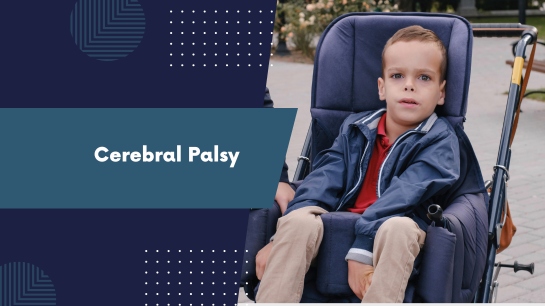
The condition is a group of permanent disorders that impacts a person’s ability to move, balance, and maintain posture. This condition is the most common motor disability in childhood.
The term “cerebral” refers to the brain’s cerebrum, which is responsible for motor function, while “palsy” means weakness or paralysis.
The condition is non-progressive, meaning the brain damage does not worsen over time, but the effects on the body can change as the child grows.
The issue stems from damage or a disruption during brain development, which ultimately affects the brain’s capacity to control muscle function.
Recognising the signs: Cerebral palsy symptoms in babies
Recognising the early signs is crucial for timely intervention. The cerebral palsy symptoms differ greatly among children, based on the condition’s severity and which part of the brain is damaged.
For parents, understanding cerebral palsy symptoms in babies is especially important. Some common signs include:
Motor skill delays: Key developmental milestones, including rolling over, sitting up, and crawling, may not be reached by the baby at the typical age.
Abnormal muscle tone: Muscles might be either too stiff (spastic) or too floppy (hypotonic).
Difficulty with movements: Your child might favour one side of their body, drag a leg while crawling, or have an unsteady, awkward gait.
Problems with coordination: Trouble with fine motor skills, such as grasping objects or bringing hands together.
Speech and swallowing difficulties: Since the muscles used for speaking and swallowing might be impacted, patients often experience drooling or have trouble with feeding.
Involuntary movements: Uncontrolled, writhing, or jerky movements can be present.
What causes cerebral palsy?
The question, “What causes cerebral palsy?”, is complex, as the exact cause is often unknown. However, the condition is linked to a disturbance in the developing brain. The occurrence is possible before, during, or in the period immediately following birth. Some common causes and risk factors include:
Infections during pregnancy: The developing foetus’s brain can be damaged by certain infections like rubella, cytomegalovirus, or toxoplasmosis.
Foetal stroke: If the blood supply to the developing brain in the womb is disrupted, it can cause significant damage.
Lack of oxygen during birth: Asphyxia during a difficult labour or delivery is a known risk factor.
Infant brain damage: In the first few months of life, a baby’s brain can be affected by a severe head injury, brain infections like meningitis, or a stroke.
Genetic factors: Although rare, genetic mutations can sometimes contribute to abnormal brain development.
Understanding the types of cerebral palsy
Different types of cerebral palsy are categorised according to the kind of movement disorder that is present. The most common type is spastic cerebral palsy, which affects approximately 80 % of individuals with the condition.
This type is characterised by stiff, tight muscles, often leading to awkward movements. Depending on the limbs affected, it can be:
- Spastic diplegia: Primarily affects the legs.
- Spastic hemiplegia: The condition impacts only one side of the body.
- Spastic quadriplegia: A severe form affecting all four limbs, the trunk, and the face.
Other types include:
- Dyskinetic cerebral palsy: Causes involuntary, uncontrollable, and slow movements.
- Ataxic cerebral palsy: Problems with balance and coordination are a result, leading to an unsteady, difficult walk.
- Mixed cerebral palsy: This involves a mix of the above forms, with spastic-dyskinetic being the most frequent combination.
Cerebral palsy treatment: A path to improved quality of life
While there is no cure for cerebral palsy, a range of therapies and interventions are available to manage symptoms and maximise a person’s abilities.
Cerebral palsy treatment aims to help individuals reach their full potential and live as independently as possible. A multidisciplinary approach is essential and may include:
Physical therapy: A cornerstone of treatment, physical therapists use exercises and targeted activities to improve muscle strength, flexibility, balance, and motor skills.
Occupational therapy: This therapy focuses on helping with daily tasks, such as self-care, writing, and using adaptive equipment.
Speech and language therapy: Essential for addressing communication, swallowing, and feeding issues.
Medications: Medications can be prescribed to manage muscle stiffness and spasms.
How can Dr Arif Khan help?
As a highly experienced paediatric neurologist specialising in movement disorders, Dr Arif Khan provides:
- Accurate diagnosis: A precise diagnosis is the first step toward effective management. Dr Arif Khan can accurately differentiate between cerebral palsy and other neurological conditions.
- Personalised treatment plans: He develops individualised treatment plans using the latest evidence-based therapies, tailored to your child’s needs.
- Multidisciplinary coordination: He collaborates with physical, occupational, and other specialists to provide holistic care.
- Long-term support: He is committed to providing ongoing support and guidance for children and their families, offering education, counselling, and long-term care planning.
With a compassionate approach and deep clinical expertise, Dr Arif Khan is committed to improving the quality of life for children with cerebral palsy and their families.
Dr Arif Khan, with his deep clinical expertise and compassionate approach, is dedicated to bettering the quality of life for children with cerebral palsy and their families.
Committed to improving the lives of children with cerebral palsy and their families, Dr Arif Khan blends a compassionate approach with profound clinical expertise.
Combining a compassionate style with deep clinical knowledge, Dr Arif Khan works hard to enhance the quality of life for children living with cerebral palsy and for their families.
If you have concerns about your child’s development or have received a diagnosis of cerebral palsy, we encourage you to seek expert neurological evaluation. Early recognition and management of the condition can significantly enhance a child’s quality of life. Contact us today to learn more about how we can help.